

In today’s construction industry, exterior wall systems are expected to deliver a combination of structural stability, visual consistency, and economic efficiency. While premium façade materials often focus on advanced surface technologies and high-end aesthetics, many real-world projects require something more practical and scalable.
This is where conventional WPC cladding plays an essential role. As a widely used category of wood plastic panels, it provides a straightforward and reliable solution for exterior wall construction without unnecessary complexity.
As a professional WPC wall panel manufacturer, Wallong supplies conventional systems designed to meet the demands of residential, commercial, and public projects where functionality and cost control are primary considerations.
Material Standardization in Large-Scale Construction
One of the most important challenges in modern development projects is material standardization. When constructing multiple buildings or large residential communities, consistency becomes a critical factor.
WPC panels for walls are often selected because they offer uniform dimensions, stable production quality, and predictable installation performance. Unlike natural materials that vary in texture and color, WPC wall panels(https://www.wallong-wpc.com) provide controlled manufacturing output that supports large-scale architectural planning.
This makes them particularly suitable for:
Housing developments
Urban renovation projects
Commercial building clusters
Infrastructure-related structures
In these environments, maintaining consistent façade appearance across multiple units is more important than decorative complexity.
Budget-Oriented Engineering and Project Cost Planning
Construction budgets often determine material selection, especially in large developments where exterior surfaces account for significant costs.
Conventional systems are widely evaluated based on:
WPC panel cost
Installation efficiency
Long-term maintenance requirements
High cost performance
Compared with premium façade systems, conventional WPC panels offer a more accessible cost structure, making them suitable for mass-market construction projects.
Developers and contractors often rely on wholesale WPC wall panel procurement to reduce overall material expenses while maintaining acceptable performance standards.
This cost-efficient positioning makes conventional cladding a practical choice for budget-sensitive engineering projects.
Functional Architecture in Residential Developments
In residential construction, exterior wall materials must balance durability, visual comfort, and ease of maintenance.
Conventional wall panel WPC systems are widely used in:
Apartment building façades
Residential community boundaries
Balcony exterior surfaces
Utility and auxiliary structures
These applications prioritize functional reliability over complex design expression.
A common choice in residential environments is the brown WPC wall panel, which provides a natural wood-inspired appearance that blends well with surrounding architecture and landscape design.
The goal in these projects is not to create high-impact visual statements, but to ensure long-term stability and consistent residential aesthetics.
Modular Wall Systems in Commercial Engineering
Commercial construction projects require materials that can be installed efficiently while maintaining a professional and clean appearance.
WPC panel wall systems are frequently used in:
Office buildings
Retail façades
Service centers
Mid-scale business facilities
The modular structure of WPC panels for walls supports faster installation timelines, which is critical in commercial development schedules.
Unlike highly decorative façade systems, conventional cladding focuses on simplicity, ensuring that building exteriors remain functional, uniform, and easy to maintain over time.
Design Simplicity and Architectural Neutrality
Not all architectural projects require complex surface expression. In many cases, a neutral and stable exterior appearance is preferred.
Conventional WPC panels are designed to support this architectural neutrality by offering:
Clean surface lines
Subtle wood-like textures
Balanced color options
Minimal visual disruption
This makes them suitable for buildings where the façade should support the overall architecture rather than dominate it.
In such cases, WPC wall panels act as a background material that enhances structural clarity rather than decorative emphasis.
Secondary Façade Zones and Supportive Applications
In many architectural projects, conventional cladding is not used as the primary façade material but instead applied in secondary or supporting zones.
These include:
Side elevations of buildings
Service corridors
Courtyard boundary walls
Utility structures
Rear building façades
These areas require durability and consistency but do not demand premium visual detailing.
In these scenarios, WPC panels for walls provide a cost-effective and reliable solution that maintains overall project coherence.
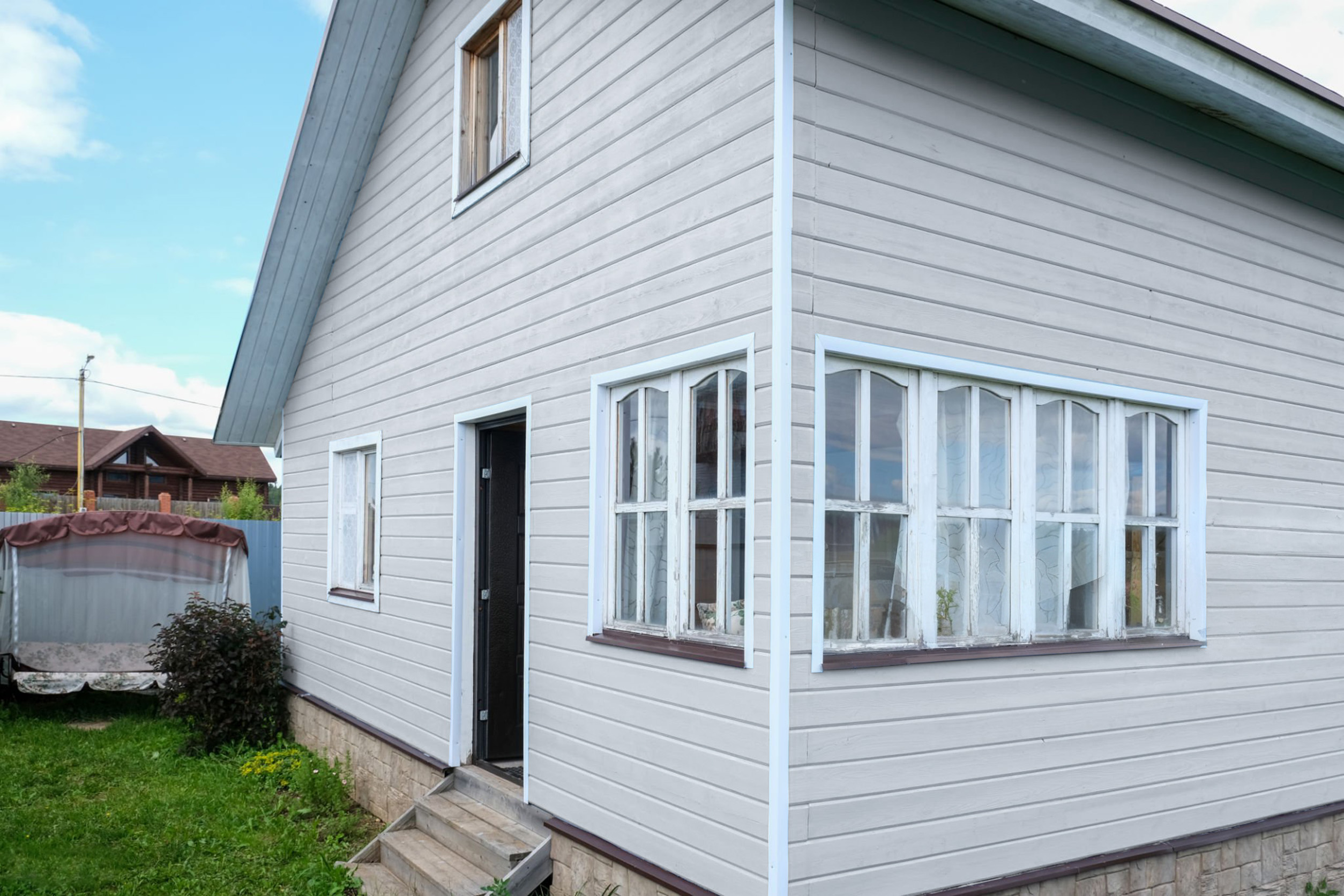
Slatted and Fluted Variations in Conventional Systems
Although conventional cladding is primarily focused on practicality, it still includes basic design variations that support architectural flexibility.
WPC Slat Panel Systems
Composite slatted cladding boards are used to create linear architectural rhythm. These systems are commonly applied in:
Residential community walls
Landscape boundaries
Outdoor screening structures
They provide structured visual flow while maintaining material simplicity.
Fluted WPC Panel Options
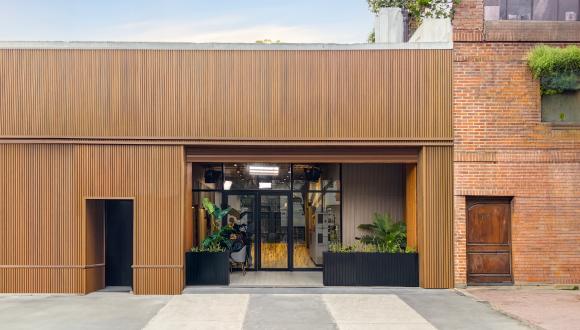
WPC fluted panel designs introduce vertical groove patterns that create subtle depth and shadow effects.
These are often used in:
Entrance wall accents
Decorative building sections
Minimal feature façades
Even within conventional product categories, these variations help expand basic architectural expression without increasing system complexity.
Installation Efficiency in Practical Construction
One of the key advantages of conventional cladding is its straightforward installation process.
Unlike complex façade systems that require specialized assembly methods, WPC wall panels are designed for efficient on-site installation.
This benefits construction teams in several ways:
Reduced installation time
Lower labor requirements
Simplified project coordination
Fewer technical dependencies
Because of this, contractors often prefer conventional systems for projects with tight deadlines or large surface areas.
Environmental Stability in Real-World Conditions
While conventional cladding does not include advanced protective coatings, it still provides stable performance under typical outdoor conditions.
The composite structure of wood plastic panels offers:
Resistance to moisture absorption
Reduced risk of cracking compared to natural wood
Stable dimensional performance
Consistent surface appearance over time
This makes it suitable for standard climate environments where extreme durability requirements are not the primary concern.
Role of Manufacturers in Supply Consistency
In large construction projects, material reliability is closely tied to manufacturing capability.
A professional WPC wall panel manufacturer ensures consistent production standards and supply stability for conventional cladding systems.
This is particularly important for:
Multi-building residential projects
Commercial development chains
Government and public infrastructure works
Reliable supply ensures that WPC panels maintain uniform quality across all installation phases.
Market Position of Conventional WPC Systems
Within the broader composite materials industry, conventional cladding occupies a foundational market position.
It is not designed to compete with high-performance façade systems but instead serves as a practical solution for everyday architectural needs.
Key market characteristics include:
Stable demand across residential sectors
Strong adoption in mid-scale commercial projects
Cost-driven procurement decisions
High compatibility with standard construction methods
For many developers, WPC panel cost and installation efficiency are more important than advanced surface performance features.
Conclusion: Practical Value in Standard Architectural Systems
Conventional WPC cladding continues to play a vital role in modern construction due to its balance of cost efficiency, installation simplicity, and functional reliability.
While advanced façade systems focus on premium aesthetics and high-performance engineering, conventional systems address the core needs of everyday building projects.
From residential housing and commercial structures to public infrastructure and secondary façade zones, WPC wall panels provide a dependable and scalable solution for real-world construction environments.
With consistent manufacturing quality and practical design principles, Wallong conventional WPC cladding remains a trusted choice for projects where stability, efficiency, and affordability define success.