

WPC Board: Why is it Necessary to Install Keel?
The keel is the framework in the decoration foundation layer. It is a material used to support the shape and structure. The keel is the framework and substrate of theWPC board, and it is widely used.
When installing the keel, if the keel spacing is too wide, it will affect the weight distribution, leading to insufficient floor support, making it elastic and easy to sag. If the keel spacing is too narrow, it will be difficult to complete the floor installation. A sturdy and safe WPC board relies on the keel, and the WPC board is fixed on the keel's frame structure. The keel is used to connect and support the entire WPC board, and it can also help the floor to drain and maintain ventilation.
When installing the keel, wooden-plastic keels or solid wood keels should be chosen. If it is a suspended installation, galvanized metal square tubes should be selected for welding to ensure safety.
Classification of WPC Board Keels
Classified by Material
Wooden Keel: Commonly known as wood square, mainly processed from tree species such as pine, basswood, and fir into rectangular or square wooden strips.
Light Steel Keel: Light steel keel is a building metal framework made of high-quality continuous hot-dip galvanized strip as raw material and formed by a cold-bending process.
Aluminum Alloy Keel: Aluminum alloy keel is an improvement on the iron sheet bake paint keel. Since aluminum does not rust or fade after oxidation treatment, the original iron sheet bake paint keel can rust, yellow, and peel off over time due to oxidation.
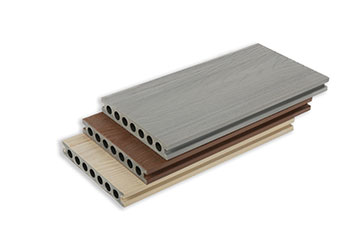
Wood-Plastic Keel: Formed by extrusion molding through a mold, different sizes and styles can be selected according to actual installation requirements, used for the installation of floors and wallboards, or as connectors for outdoor furniture. It can be distinguished as hollow or solid.
Classified by Usage Location
Ceiling Keel: Used as keel material for ceiling modeling.
Vertical Wall Keel: The keel close to the wall facade is the vertical wall keel.
Ground Keel: The keel fixed on the ground is the ground keel.
Hanging Keel: A kind of keel material used for connecting objects.
How to Choose the Right WPC Board Keel?
Selecting the right keel depends on the installation environment, expected loads, and the type of WPC board system being used.
Consider the Installation Environment
For outdoor projects exposed to rain, sunlight, and changing temperatures, WPC or aluminum alloy keels are often recommended because of their excellent weather resistance and durability. They are widely used in wood plastic composite decking, outdoor flooring, and wall cladding applications.
Consider Load Requirements
Areas with heavy foot traffic, public walkways, or commercial applications require stronger support structures. In these situations, aluminum or steel keels may be the better choice.
Consider Long-Term Maintenance
While wooden keels may have a lower initial cost, WPC decking support systems and aluminum keels generally require less maintenance and provide a longer service life.
Match the Keel to the Application
Different applications require different support systems. For example, WPC decking and decorative cladding systems may have specific installation requirements that should be considered when selecting a keel.
Installation of WPC Board Keel
Proper installation is essential for ensuring the performance and durability of a WPC board system.
Prepare and Level the Ground
The installation area should be clean, dry, and level. Any uneven surfaces should be corrected before installing the keel system.
Plan the Keel Layout
The spacing between keels should follow the manufacturer's recommendations. Proper spacing helps distribute weight evenly and reduces the risk of board deformation.
Secure the Keels
Fix the keels firmly to the ground or supporting structure using suitable fasteners. Ensure all keels are properly aligned and level.
Allow for Drainage and Ventilation
Adequate space beneath the boards allows air circulation and water drainage, helping maintain the long-term performance of composite decking and other outdoor applications.
Install the WPC Boards
After the keel framework is completed, install the boards according to the recommended installation method and product specifications. Proper installation is critical for the long-term performance of wood plastic composite decking systems.
Functions of WPC Board Keel
The ground itself needs leveling, and the keel can improve the leveling degree during the installation. The ground leveling alone is not as level as the keels.
WPC boards need ventilation and drainage, which can improve the usability of WPC boards and avoid mold problems caused by water accumulation. It also ensures a clean outdoor home environment.
Wood-plastic boards need keels to help with bearing weight. Many outdoor areas require solutions for large-scale load-bearing requirements. The floor alone is not enough to maintain this effect for long without the aid of keels.
Many outdoor landscapes emphasize step-by-step and spatial layouts. Installing keels can help designers improve the layout effects they need, providing better feedback to the design drawings.
Maintenance of WPC Board Keel
Although WPC keel systems require relatively little maintenance, regular inspections can help extend the lifespan of the entire installation.
Keep the Area Clean
Remove leaves, dirt, and debris regularly to prevent blocked drainage channels and maintain proper ventilation beneath WPC decking surfaces.
Inspect Connections
Check screws, clips, and fasteners periodically to ensure the structure remains secure and stable.
Monitor Structural Stability
Inspect the keel system after extreme weather conditions and look for signs of movement, settling, or uneven support.
Replace Damaged Components Promptly
Any damaged keel sections should be repaired or replaced as soon as possible to maintain the integrity of WPC wall panel, decking, and cladding installations.
FAQs
1.Do WPC boards always require a keel system?
In most applications, yes. A keel system provides essential structural support for WPC boards, helping improve stability, load-bearing performance, drainage, and ventilation. Without a proper keel structure, the boards may become uneven or prone to deformation over time.
2.What is the best material for a WPC board keel?
The best material depends on the installation environment. WPC keels and aluminum alloy keels are commonly used for outdoor projects because they offer excellent durability, weather resistance, and low maintenance. Wooden keels may be suitable for certain indoor applications.
3.How far apart should WPC keels be installed?
Keel spacing varies depending on the board specifications, installation method, and expected load requirements. For the best performance, always follow the manufacturer's recommendations when installing WPC decking or other outdoor flooring systems.
4.How long does a WPC keel last?
A high-quality WPC keel or aluminum keel can typically last 15–25 years or longer when properly installed and maintained. Regular inspection and proper drainage can further extend the lifespan of the entire system.