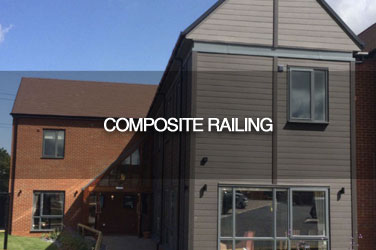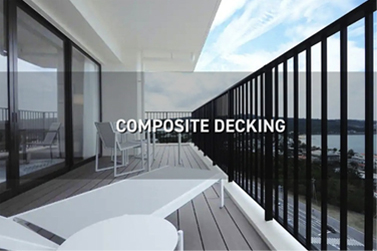


Railings play a crucial role in contemporary architecture, serving as both safety features and visual design elements. From residential balconies and garden decks to commercial terraces and public walkways, well-designed railing systems contribute to the functionality, appearance, and value of a property. As construction projects increasingly prioritize sustainability and long-term performance, wood plastic composite railing systems have become a preferred alternative to traditional wood and metal solutions.
Manufactured from a blend of recycled wood fibers and high-quality polymers, WPC railing products offer the natural appearance of timber while delivering enhanced resistance to moisture, weather, and everyday wear. Companies such as Wallong continue to develop innovative composite railing systems that meet the evolving demands of modern architecture and outdoor living.
Understanding WPC Balustrade Systems
A WPC balustrade is a railing structure made from wood plastic composite materials. Typically consisting of posts, top rails, bottom rails, balusters, and connection accessories, these systems are designed to provide protection while enhancing architectural aesthetics.
Unlike traditional timber railings, a balustrade WPC system is engineered to maintain its structural integrity and appearance in outdoor environments. Exposure to sunlight, rain, humidity, and seasonal temperature changes can significantly affect conventional wood products, often leading to cracking, splintering, or warping. Composite materials address these challenges through advanced manufacturing technologies that improve durability and weather resistance.
Today, balustrada WPC products are widely used in residential developments, hotels, resorts, waterfront projects, public parks, and commercial buildings across global markets.
Why Composite Railings Are Gaining Popularity
The construction industry has witnessed a growing shift toward composite railing materials over the past decade. Property owners, architects, and contractors are increasingly looking for solutions that combine attractive design with lower maintenance requirements.
One of the main reasons for this transition is the ability of composite materials to withstand outdoor conditions while preserving their visual appeal. Unlike wood, composite products do not require frequent painting, staining, or sealing. Unlike metal systems, they are not prone to rust or corrosion.
This balance of aesthetics and performance has positioned wood plastic composite railing products as a practical choice for a wide range of outdoor applications.
Architectural Benefits of WPC Railing Design
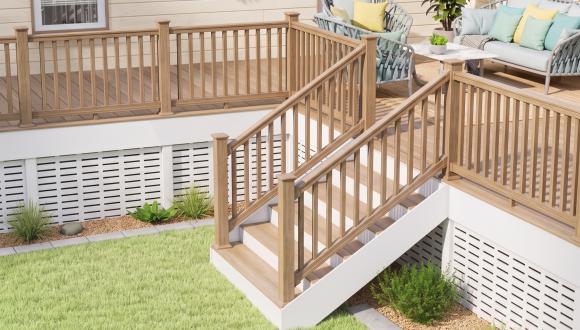
Modern building projects demand materials that can complement diverse architectural styles. A carefully planned WPC railing design offers flexibility for both contemporary and traditional structures.
Composite railing systems are available in various profiles, colors, and textures, allowing designers to achieve specific visual objectives. Popular options include:
Contemporary horizontal rail configurations
Classic vertical baluster systems
Wood-grain surface finishes
Multi-tone color combinations
Decorative post cap designs
Because of this versatility, railing WPC products can be integrated into residential, commercial, hospitality, and public infrastructure projects without compromising design consistency.
Transforming Balconies with WPC Balcony Railing Solutions
Balconies have become important extensions of indoor living spaces. In apartments, villas, hotels, and resorts, balconies provide opportunities to enjoy outdoor views and fresh air while increasing the overall usability of a property.
A well-designed WPC balcony railing enhances safety while contributing to the visual appeal of the building façade. Composite materials create a warm and inviting appearance that blends naturally with landscaping, decking, and exterior cladding systems.
Many architects incorporate innovative balcony WPC railing design concepts to create distinctive outdoor environments. Glass inserts, minimalist profiles, and wood-inspired textures are among the most popular design trends.
The flexibility of WPC balcony railing design allows property developers to create customized solutions that align with specific architectural themes while maintaining long-term durability.
The Role of WPC Handrail Systems in Outdoor Safety
A reliable WPC handrail is essential in areas where people require additional support and guidance. Handrails are commonly installed along staircases, elevated walkways, ramps, and decks to improve safety and accessibility.
Composite handrails offer several practical advantages:
Smooth Surface Finish
Unlike natural wood, WPC hand railing products remain free from splinters and surface cracks, creating a comfortable user experience.
Resistance to Weather Exposure
Continuous exposure to rain and sunlight can accelerate the deterioration of conventional materials. A properly engineered handrail WPC system maintains its appearance and functionality with minimal maintenance.
Consistent Performance
Composite materials help ensure dimensional stability, reducing the risk of warping or deformation over time.
For these reasons, many construction professionals specify composite wood handrail systems for both residential and commercial projects.
Applications of WPC Stair Railing and Staircase Systems
Staircases are among the most frequently used structural elements in residential and commercial buildings. Safety, durability, and visual appeal are all critical considerations when selecting railing materials.
A modern WPC stair railing system can provide reliable protection while enhancing the architectural character of the surrounding environment.
Common installation areas include:
Residential Properties
Homeowners frequently choose WPC staircase railing products for outdoor stairs connecting gardens, patios, decks, and entrance areas.
Commercial Buildings
Hotels, office complexes, educational institutions, and shopping centers often require railing systems capable of handling high levels of daily traffic.
Recreational Facilities
Parks, waterfront developments, scenic walkways, and tourism destinations benefit from the weather-resistant characteristics of composite railings.
The combination of structural strength and low maintenance makes WPC stair railing systems a practical long-term investment.
Environmental Advantages of Composite Wood Railing
Sustainability has become an important factor in material selection across the construction industry. Many manufacturers now incorporate recycled content into their production processes, reducing dependence on virgin resources.
High-quality composite railing materials are often manufactured using recycled wood fibers and recycled plastics, helping divert waste from landfills while supporting responsible resource management.
Additional environmental benefits include:
Reduced demand for natural timber
Lower maintenance-related resource consumption
Longer product lifespan
Improved material efficiency
Support for sustainable construction practices
As green building standards continue to gain importance, wood plastic composite railing systems offer an environmentally responsible alternative to traditional materials.
.jpg "WPC_Railing_Systems__Elevating_Outdoor_Spaces_with_Durability_and_Modern_Design_(1).jpg")
Design Trends Influencing the Future of WPC Railings
Architectural preferences continue to evolve, and railing systems are becoming increasingly integrated into overall design strategies rather than being treated as purely functional elements.
Several trends are shaping the future of WPC railing applications:
Seamless Indoor-Outdoor Connections
Contemporary designs often blur the boundaries between interior and exterior spaces. Composite railings complement this approach through their natural appearance and versatile design options.
Minimalist Aesthetics
Clean lines and uncluttered forms remain highly desirable in modern architecture. Many designers prefer simple WPC railing design concepts that emphasize openness and visual continuity.
Natural Material Inspiration
Wood-inspired finishes continue to attract homeowners seeking warmth and texture without the maintenance challenges associated with traditional timber.
Multi-Material Integration
Composite railings are increasingly combined with glass, stone, aluminum, and other materials to create distinctive architectural features.
These trends are expected to drive continued demand for advanced composite railing solutions worldwide.
Key Considerations When Selecting a WPC Balustrade
Choosing the right WPC balustrade requires evaluating several important factors beyond appearance alone.
Product Quality
Premium composite materials typically offer superior resistance to UV exposure, moisture, and temperature fluctuations.
Structural Requirements
The railing system should comply with local building regulations and safety standards.
Installation Efficiency
Well-designed systems simplify assembly and reduce installation time, particularly on large-scale projects.
Long-Term Maintenance
Composite products generally require less maintenance than wood, helping property owners reduce ongoing operational costs.
Supplier Expertise
Working with experienced manufacturers ensures access to technical support, quality assurance, and reliable product performance.
Why Wallong Composite Railings Stand Out
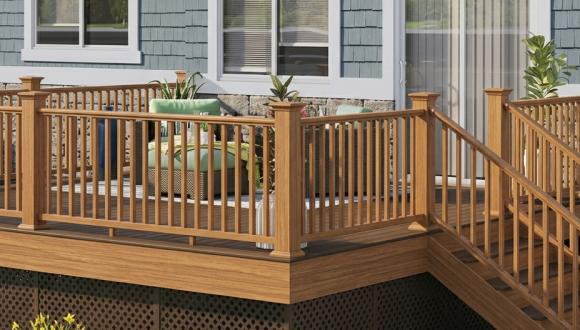
With years of experience in the wood plastic composite industry, Wallong has developed a comprehensive range of railing solutions designed for residential, commercial, and public applications.
Wallong focuses on combining durability, aesthetics, and environmental responsibility in every product line. Through continuous innovation and quality control, the company provides railing systems that help architects, builders, and developers create attractive outdoor spaces with long service lives.
Its product portfolio supports a variety of installation environments, including balconies, terraces, decks, staircases, waterfront developments, and landscaped public areas.
Conclusion
The increasing adoption of WPC railing systems reflects a broader movement toward durable, sustainable, and low-maintenance construction materials. Products such as WPC balustrade, WPC decking, WPC cladding, WPC DIY tiles, and WPC fence offer an effective combination of safety, aesthetics, and long-term value.
As outdoor living spaces continue to play a larger role in residential and commercial design, demand for high-performance wood plastic composite railing solutions is expected to grow steadily. By combining modern engineering with the natural appearance of wood, composite railings provide a practical and visually appealing solution for today's architectural projects.