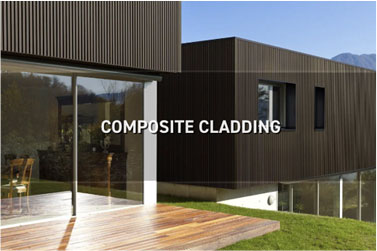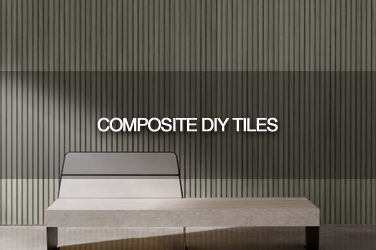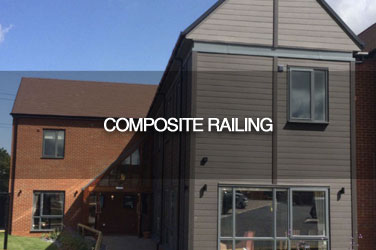


In the world of modern architecture and home renovation, the choice of exterior siding (cladding) is one of the most significant decisions a property owner can make. The siding serves as the skin of the building, providing both the first impression for visitors and the primary defense against the elements. For decades, the choice was limited to natural timber or vinyl and fiber cement, which are durable but often lack the warmth of natural materials.
Enter WPC siding. Wood Plastic Composite (WPC) siding has emerged as a revolutionary alternative that successfully bridges the gap between nature and technology.
What is WPC Siding?
WPC stands for Wood Plastic Composite. WPC siding is a hybrid material engineered from a precise blend of recycled wood fibers (usually sawdust and wood shavings) and thermoplastics (such as HDPE or PVC). These materials are combined with chemical additives like UV stabilizers and pigments through a high-heat extrusion process.
The result is a dense, durable, and highly versatile board that mimics the appearance and texture of real wood but possesses the resilience of modern polymers. Unlike traditional timber, WPC siding is designed to be a set-and-forget solution, offering long-term structural integrity without the typical headaches associated with exterior wood.
Why WPC Siding is Outperforming Traditional Materials?
The shift toward WPC is driven by its ability to solve the fundamental flaws of organic wood. Here are the primary reasons why WPC is becoming the gold standard for exterior cladding:
1. Exceptional Durability and Weather Resistance
Exterior walls are constantly subjected to weathering, a combination of rain, humidity, snow, and intense sunlight. Natural wood is hygroscopic, meaning it absorbs and releases moisture, which leads to warping, cracking, and rot. WPC siding is essentially waterproof. Its plastic component encapsulates the wood fibers, preventing moisture penetration and ensuring the boards remain dimensionally stable regardless of the climate.
2. Low-Maintenance Luxury
The most significant pain point for timber siding is the maintenance cycle. To keep wood looking fresh and to prevent decay, it must be sanded, stained, and sealed every two to three years. WPC siding eliminates this need. It does not require painting or staining. A simple wash with soap and water once or twice a year is sufficient to keep it looking brand new. For homeowners and commercial property managers, this represents a massive saving in both time and money over the product's lifespan.
3. Pest and Rot Protection
Termites and wood-boring insects can cause thousands of dollars in damage to a home. WPC is inedible to pests, providing a permanent barrier against infestation. Furthermore, because it does not harbor moisture, it is immune to fungal growth and mold, which are the primary causes of soft rot in traditional siding.
4. Eco-Friendly and Sustainable
Modern construction is moving rapidly toward green building practices. WPC is a leader in this movement because it repurposes waste materials. Most WPC products are made from recycled wood waste and recycled plastic bottles or containers. By choosing WPC, you are reducing the demand for deforestation and helping to divert plastic from landfills.
The Aesthetic Evolution of WPC
Early versions of composite materials often looked plastic-like, but modern manufacturing has changed the game. Today’s WPC siding features deep-embossed wood grains and multi-tonal color palettes that are indistinguishable from real timber from a distance.
One of the most popular trends in current architecture is the fluted or Great Wall profile. This design features vertical or horizontal ridges that create a 3D shadow effect, adding depth and a modern industrial feel to villas and commercial complexes. Whether you are looking for a classic teak finish or a contemporary charcoal grey, Wallong’s extensive product catalog offers a variety of textures and styles that can be tailored to any design vision.
The Importance of High-Quality Engineering: The Wallong Advantage
Not all WPC siding is created equal. The performance of the material depends heavily on the quality of the raw materials and the extrusion process. Advanced products, such as those found at Wallong, often utilize Co-extrusion technology.
Co-extrusion involves adding a secondary, ultra-tough protective shield around the WPC core. This shield provides enhanced UV resistance, preventing the color from fading even in the harshest sunlight, and offers superior scratch resistance. When choosing siding for a long-term project, opting for a manufacturer with a proven track record in co-extrusion ensures that the facade will remain vibrant for 20 years or more.
Installation and Cost-Effectiveness
While the initial cost of WPC siding may be higher than traditional vinyl or low-grade timber, it is far more cost-effective in the long run. The absence of maintenance costs, combined with the longevity of the material, means that WPC often pays for itself within five to seven years.
Furthermore, WPC siding systems are designed for ease of installation. Most utilize a tongue-and-groove or hidden clip system that allows boards to slot together seamlessly. This not only speeds up the construction process but also hides the screws, providing a clean, professional finish with no visible fasteners.
WPC siding represents the perfect marriage of aesthetic beauty and engineering excellence. It offers a way to enjoy the organic appeal of a wood-clad home without the labor-intensive upkeep and environmental guilt. As the building industry continues to prioritize sustainability and durability, WPC will undoubtedly remain at the forefront of exterior design. For those looking to invest in a facade that will stand the test of time, exploring the high-performance options at Wallong is the best place to start.