

One of the most persistent challenges in construction and interior design is moisture management. Traditional materials like solid timber, plywood, and MDF (Medium-Density Fiberboard) are notoriously susceptible to water damage. Over time, exposure to humidity, rain, or even routine cleaning can cause these materials to swell, warp, rot, and harbor mold. This has led many homeowners and builders to ask one critical question: Is WPC (Wood Plastic Composite) board waterproof?
The short answer is a resounding yes. WPC boards are engineered specifically to overcome the hydrological weaknesses of natural wood while maintaining its aesthetic appeal.
Why WPC Resists Water?
To understand why WPC is waterproof, we must look at its molecular DNA. WPC is a hybrid material created by blending wood fibers or flour with thermoplastics such as High-Density Polyethylene (HDPE) or PVC.
The manufacturing process involves an extrusion method where the plastic component essentially encapsulates the wood fibers. Because plastic is naturally hydrophobic (water-repelling), it acts as a permanent shield. Unlike natural wood, which has a cellular structure designed to transport water (capillary action), WPC is a dense, non-porous composite. This structure prevents water from penetrating the core of the board, ensuring that it remains dimensionally stable even when submerged or exposed to heavy downpours.
WPC vs. Traditional Materials
When evaluating materials for wet areas, the differences become starkly apparent:
Natural Wood: Wood is hygroscopic; it absorbs and releases moisture based on the environment. This leads to seasonal movement, where boards expand in summer and shrink in winter, eventually leading to cracks and structural failure.
Plywood and MDF: These materials rely on glues to hold wood layers or particles together. When water seeps in, the glue fails, causing the material to delaminate (peel apart) or bloom (swell irreversibly).
WPC Board: Because the plastic and wood are fused at a molecular level during heat processing, there are no layers to delaminate. WPC does not absorb water in any significant capacity, meaning it will not rot, decay, or lose its shape.
For those seeking the highest standard of moisture protection, Wallong’s extensive product line includes advanced co-extrusion technologies. These products feature an extra protective shield that provides a 360-degree waterproof barrier, making them virtually impervious to the elements.
Key Benefits of Waterproof WPC Boards
The waterproof nature of WPC brings several secondary benefits that make it a superior choice for long-term investments:
1. Mold and Mildew Resistance
Water and wood are the primary ingredients for mold growth. Because WPC does not absorb moisture, it provides no hospitable environment for fungi or bacteria. This makes it a hygienic choice for areas like bathrooms and kitchens where steam is constant.
2. Resistance to Rot and Termites
Rot is a biological process fueled by moisture. Since WPC remains dry internally, it cannot rot. Furthermore, the plastic content makes the boards inedible to termites and other wood-boring insects, which often target damp, softened wood.
3. Low Maintenance
Waterproof materials are inherently easier to clean. You can wash WPC boards with a hose or a damp mop without worrying about water spots or internal damage. There is no need for the annual sealing or varnishing that traditional wood requires to stay water-resistant.
Real-World Applications of Waterproof WPC
The versatility of WPC allows it to be used in areas where wood would fail within a few years:
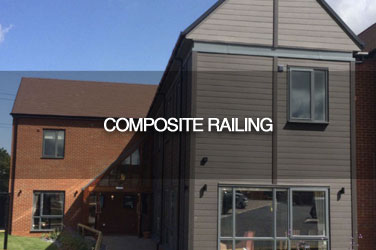
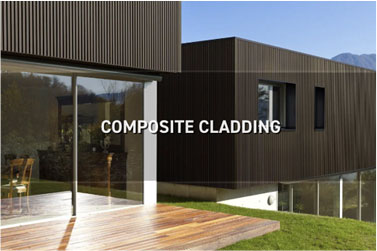
Outdoor Cladding and Decking: WPC is ideal for exterior walls and garden decks that face rain, snow, and high humidity. WPC's ability to withstand outdoor elements without warping is its greatest strength.
Bathrooms and Kitchens: From vanity cabinets to wall paneling, WPC is an excellent replacement for moisture-sensitive boards in these high-traffic wet zones.
Poolside and Marine Environments: WPC is frequently used for pool surrounds and boardwalks because it can handle constant splashing and high salt content without degrading.
Choosing the Right Level of Protection
While all WPC is moisture-resistant, the degree can vary. Conventional WPC is highly resistant, but for extreme conditions, Co-extruded WPC is the gold standard. This involves a dual-layer extrusion process where a tough, water-blocking outer shell is fused to the core. This cap ensures that even if the surface is scratched, the moisture-resistance remains intact.
When browsing Wallong’s range of WPC solutions, you will find various grades of cladding and decking designed specifically for these high-exposure scenarios, ensuring that your project stays beautiful regardless of the weather.
Is WPC board waterproof? The evidence from industry leaders and material science confirms that it is one of the most reliable waterproof building materials available today. By combining the aesthetic warmth of wood with the impenetrable nature of plastic, WPC offers the best solution.
Whether you are protecting a commercial building's facade or installing a new kitchen, WPC provides peace of mind. It eliminates the stress of water damage, reduces maintenance costs, and ensures that your design stands the test of time. For high-performance, waterproof cladding and decking, brands like Wallong continue to lead the way in composite innovation.